Kalyan Jodi Chart Explained: A Complete Guide to Number History, Results, and Chart Reading
The Kalyan Jodi chart is a popular search topic for people interested in historical number records and result information associated with Kalyan Matka. It provides a structured way to view previously recorded two-digit combinations and organize numerical information by date. For readers who want to understand these charts, learning their format and purpose can make online information easier to navigate.
Many websites publish number charts in different layouts, which can sometimes make it difficult to identify accurate historical details. Understanding the basic features of a kalyan jodi chart helps readers interpret displayed records, compare dates, and recognize the difference between historical information and unverified predictions.
What Is a Kalyan Jodi Chart?
A Kalyan Jodi chart is a numerical table that displays two-digit combinations associated with recorded Kalyan Matka results. Depending on the website, the chart may include daily entries, weekly summaries, monthly records, or information from previous years.
The main purpose of this chart is to present historical data in an organized and accessible format. Instead of searching through multiple pages, readers can consult a single table to find specific dates and their corresponding entries.
A typical Kalyan Jodi chart may contain:
- Date information: The date associated with a recorded result.
- Jodi combinations: Two-digit numbers displayed in the chart.
- Historical records: Previous entries arranged in chronological order.
- Chart categories: Sections that separate different periods or result types.
- Result details: Additional information provided by the publisher.
The available features depend on the source, so readers should always check the chart’s description and publication date.
Why Is Kalyan Jodi Chart Information Popular?
The popularity of the Kalyan Jodi chart comes largely from its simple presentation. Numerical tables allow visitors to review historical information quickly without reading lengthy explanations. A clear layout also makes it easier to compare entries from different dates.
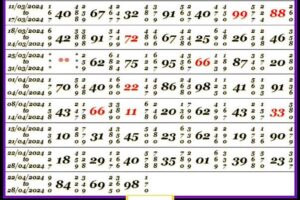
People search for these charts for several reasons. Some want to understand how jodi numbers are displayed, while others want to review older records or learn about the terminology associated with Kalyan Matka.
Search-friendly websites often organize their information into dedicated pages, making historical records easier to locate. However, readers should distinguish between websites that provide historical information and those that publish speculative predictions without supporting evidence.
How to Read a Kalyan Jodi Chart
Reading a Kalyan Jodi chart is straightforward when the information is arranged clearly. Most charts use rows and columns to connect dates with recorded number combinations.
Follow these steps to understand the chart:
- Identify the chart heading: Make sure the page contains the type of information you are looking for.
- Check the date range: Confirm which dates or periods are included.
- Find the relevant entry: Locate the date and read its corresponding number.
- Verify the information: Compare important details with another credible source if necessary.
- Understand the context: Remember that recorded numbers represent historical information, not guaranteed future outcomes.
Following these steps can help readers interpret chart entries more accurately and avoid confusion between different records.
Important Features of a Reliable Kalyan Jodi Chart Website
A useful website should make its information easy to understand. Clear dates, readable text, organized tables, and straightforward navigation can significantly improve the visitor experience.
Mobile compatibility is another important feature because many people access chart information using smartphones. Pages that load properly on smaller screens make it easier to review numerical tables without excessive scrolling or zooming.
Reliable publishers should also explain where their information comes from and correct inaccuracies when they are identified. Websites should clearly separate verified historical records from opinions, predictions, and promotional claims.
Can a Kalyan Jodi Chart Predict Future Results?
One frequently asked question is whether historical jodi numbers can be used to predict future results. Although a chart can help readers review previous entries, it does not provide a dependable method for knowing which number will appear next.
Patterns in historical information may look significant, but they can occur by chance. Without a valid statistical basis, claims about guaranteed numbers or fixed prediction methods should be treated cautiously.
Readers should avoid risking money based on unsupported predictions. Where wagering is involved, it is important to understand the financial risks and follow applicable local laws and regulations.
Tips for Exploring Kalyan Jodi Chart Records
For a better research experience, choose websites that display dates clearly and explain their information sources. Check whether historical entries are presented consistently, and avoid relying on unsupported claims of guaranteed profits.
It is also helpful to understand the difference between an archived chart and a live result page. Historical charts contain past records, while live result pages may display newly published information. Checking the publication date helps prevent confusion between the two.
Conclusion
The Kalyan Jodi chart provides a convenient format for exploring historical number records associated with Kalyan Matka. By learning how dates, jodi combinations, and chart categories are organized, readers can understand the available information more confidently.
Choosing clear and transparent sources is essential for an informed browsing experience. Most importantly, historical records should not be mistaken for reliable predictions. A responsible approach helps readers understand the purpose, usefulness, and limitations of the Kalyan Jodi chart.