Cupola Bricks: High-Performance Refractory Solutions for Foundry Furnaces
Cupola bricks are specialized refractory bricks designed to withstand the intense heat, chemical reactions, and mechanical stresses found inside cupola furnaces. Widely used in foundries and metal-melting facilities, these bricks play an important role in maintaining furnace efficiency, protecting the furnace structure, and supporting consistent melting operations. As industries increasingly focus on productivity and energy efficiency, selecting high-quality cupola bricks has become an important consideration for foundry operators.
What Are Cupola Bricks?
Cupola bricks are refractory lining materials manufactured to operate under extremely high-temperature conditions. They are generally produced from carefully selected refractory raw materials and processed to achieve suitable thermal, mechanical, and chemical properties. The bricks are installed in different sections of cupola furnaces where they help contain heat and protect the furnace shell from direct exposure to molten metal and combustion gases.
Depending on the furnace design and operating conditions, different refractory grades may be selected for areas such as the melting zone, combustion zone, lining, bottom, and other high-wear sections.
Importance of Quality Refractory Bricks
A cupola furnace operates under demanding conditions. Continuous exposure to high temperatures can cause ordinary construction materials to crack, deform, or deteriorate rapidly. High-quality refractory bricks are specifically engineered to resist these conditions.
Good-quality cupola bricks can provide resistance to thermal shock, abrasion, molten metal, and chemical attack. Their performance can help extend the service life of the furnace lining and reduce the frequency of maintenance or replacement. A durable refractory lining can also contribute to stable furnace operation by minimizing unwanted heat loss.
Key Features of Cupola Bricks
When selecting cupola bricks, several properties should be evaluated. High refractoriness is essential because the bricks must withstand the operating temperature without excessive deformation. Mechanical strength is also important because the lining may experience impact and abrasion during furnace operation.
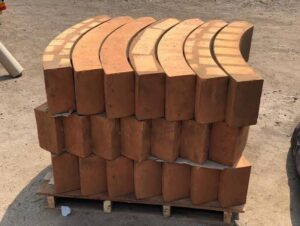
Resistance to thermal shock helps the bricks handle repeated heating and cooling cycles. Chemical resistance is equally valuable because refractory materials may come into contact with slag, molten metal, fuel residues, and other aggressive substances.
Dimensional accuracy is another important factor. Properly manufactured bricks can provide better fitting during installation, helping create a uniform and dependable furnace lining.
Applications in Foundries
Cupola bricks are primarily used in cast-iron foundries and metal-melting operations. They can be installed in furnace linings, melting zones, wind belts, bottoms, and other areas exposed to intense thermal and mechanical conditions.
The correct refractory material depends on furnace size, operating temperature, fuel type, melting material, slag characteristics, and maintenance practices. Manufacturers and refractory specialists can help users determine the appropriate grade for specific operating requirements.
Choosing the Right Cupola Bricks
Purchasing refractory bricks based only on price can result in higher operating costs if the material wears prematurely. Buyers should consider product quality, raw-material composition, thermal performance, mechanical strength, dimensions, and expected service life.
It is also useful to work with a manufacturer or supplier that understands foundry applications and can provide technical specifications. Consistent quality from batch to batch is particularly important for industrial users because variations in refractory performance can affect furnace maintenance schedules and production efficiency.
Benefits of Reliable Cupola Bricks
High-performance cupola bricks can offer several operational benefits. They help protect furnace structures from extreme temperatures, support effective heat containment, and withstand the mechanical stresses associated with continuous melting operations. A durable lining may reduce unplanned downtime and maintenance requirements while helping maintain reliable furnace performance.
For foundries, these advantages can contribute to smoother production and better long-term control of refractory maintenance costs.
Conclusion
Cupola bricks are a critical component of efficient and dependable cupola furnace operations. Their ability to withstand high temperatures, thermal cycling, abrasion, and chemical exposure makes them essential for demanding foundry environments. By selecting refractory bricks with appropriate thermal and mechanical properties, foundries can improve furnace protection and support longer lining service life.
Working with an experienced refractory manufacturer can help businesses identify the right cupola brick grade for their furnace design and operating conditions, ensuring a reliable solution for high-temperature metal-melting applications.