radio controlled digger handle mud
Many people who enjoy construction model hobbies often ask, Can a radio controlled digger handle mud? The answer depends on the quality, size, and design of the model, but many modern versions are capable of working in muddy conditions to a certain extent. A high-quality radio controlled digger is designed to perform realistic excavation tasks on different surfaces, including loose dirt, sand, gravel, and light mud. While these miniature machines cannot match the strength of full-sized excavators, they can provide an enjoyable and surprisingly capable experience when used in suitable muddy environments.
The ability of a radio controlled diggerto handle mud largely depends on its construction materials. Entry-level models are usually made from lightweight plastic and are intended for indoor play or dry outdoor conditions. These models may struggle when moving through wet or sticky mud because their tracks can lose traction, and their motors may not have enough torque to push through thick terrain. On the other hand, premium models built with metal frames, steel tracks, and powerful gear systems perform much better in muddy conditions because their additional weight improves grip and stability.
Track design is another important factor that affects how well a radio controlled digger performs in mud. Most excavator models use tracked undercarriages instead of wheels because tracks distribute weight over a larger surface area. This reduces the chance of sinking into soft ground and provides better traction while moving across slippery surfaces. A well-designed radio controlled digger equipped with durable rubber or metal tracks can navigate shallow mud more effectively than many wheeled remote-controlled vehicles, making it ideal for realistic outdoor construction play.
The consistency of the mud also plays a major role in determining performance. Soft, damp soil mixed with a small amount of water is usually manageable for many advanced models. However, extremely thick, sticky mud creates additional resistance that can overload the motors and reduce movement efficiency. When using a radio controlled digger in muddy conditions, it is best to avoid deep mud that reaches above the tracks or enters the moving parts. Working in moderate mud allows the machine to maintain traction while reducing unnecessary strain on the drivetrain.
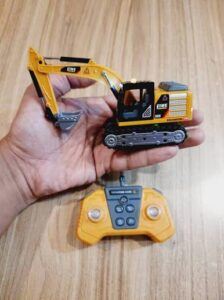
Digging performance is another consideration when evaluating whether a radio controlled digger can handle mud. High-end models with strong electric motors and metal digging arms can scoop moist soil and light mud quite effectively. Their buckets are designed to penetrate loose materials and lift small loads, allowing operators to create trenches, clear debris, or transfer mud into miniature dump trucks. The added resistance of wet soil means operators may need to work more slowly and use proper digging techniques to achieve the best results without placing excessive stress on the equipment.
Can a radio controlled digger handle mud?
Water resistance is equally important when operating a radio controlled digger around mud. While some models are built with splash-resistant electronics, very few are fully waterproof. Mud often contains water that can enter battery compartments, motors, receivers, or electronic speed controllers if the machine is submerged or heavily splashed. Before using any radio controlled digger in muddy conditions, owners should carefully read the manufacturer’s guidelines regarding water resistance. Avoiding deep puddles and standing water helps protect sensitive electronic components and extends the life of the model.
Cleaning is an essential part of using a radio controlled digger in muddy environments. Mud can collect around the tracks, gears, suspension parts, and digging arm joints, eventually affecting movement if left unattended. After each outdoor session, it is recommended to gently remove dirt using a soft brush and a damp cloth. Some users also use compressed air to remove fine particles from hard-to-reach areas. Proper cleaning prevents mud from drying inside moving components and helps maintain smooth operation during future digging sessions.
Battery performance may also be affected when operating a radio controlled digger in muddy terrain. Moving through wet, heavy ground requires more power than driving across dry surfaces. As a result, the motors work harder and consume battery energy more quickly. Operators should expect slightly shorter running times when performing repeated digging tasks in mud compared to operating on firm ground. Carrying a fully charged spare battery can help extend outdoor sessions without long interruptions.
Operator skill makes a noticeable difference in muddy conditions as well. Experienced users understand how to position the radio controlled digger to maintain balance and maximize traction while digging. They avoid sudden acceleration that could cause the tracks to spin and instead use slow, controlled movements to navigate soft terrain. Proper bucket positioning and careful operation reduce unnecessary strain on the motors while improving digging efficiency. With practice, users can complete realistic excavation projects even in moderately muddy conditions.
Overall, the answer to Can a radio controlled digger handle mud? is yes, provided the conditions are suitable and the model is designed for outdoor use. High-quality models with metal construction, powerful motors, and durable tracks are capable of operating successfully in light to moderate mud while delivering a realistic construction experience. However, users should avoid extremely deep or waterlogged mud, clean the machine thoroughly after each use, and follow the manufacturer’s maintenance recommendations. With proper care and sensible operation, a radio controlled digger can perform impressively in muddy environments, making outdoor excavation projects even more enjoyable and realistic for hobbyists of all ages.